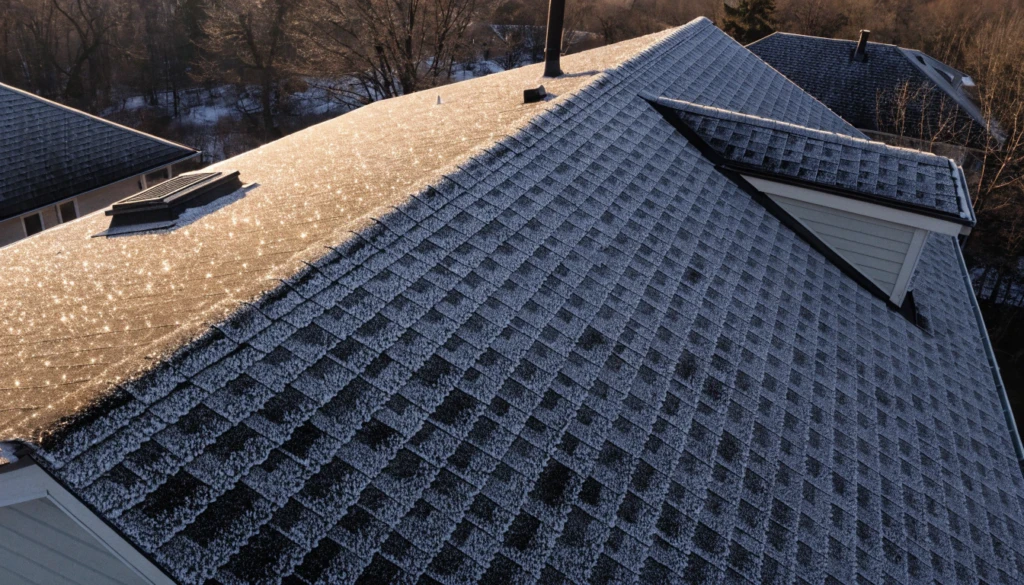
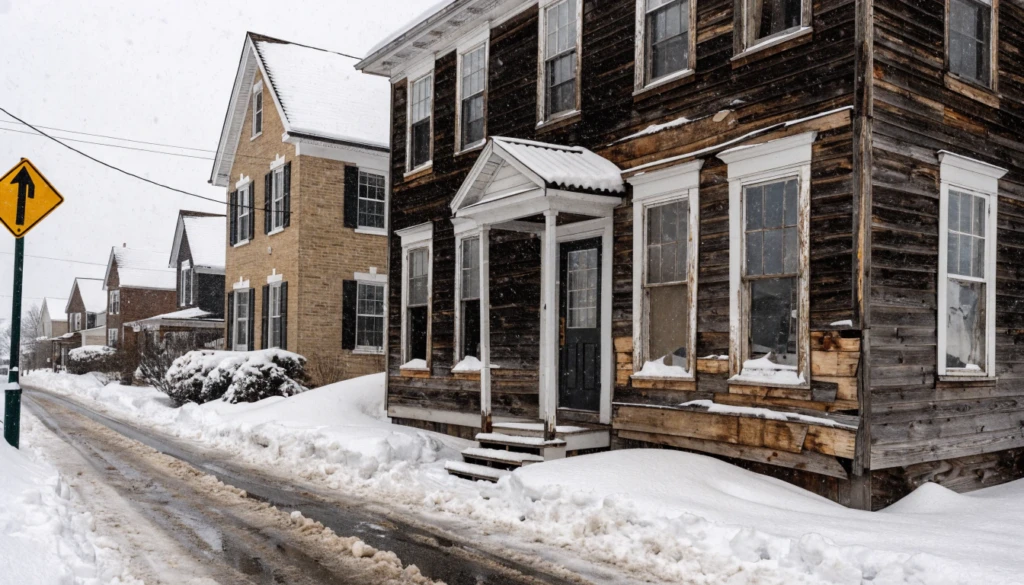
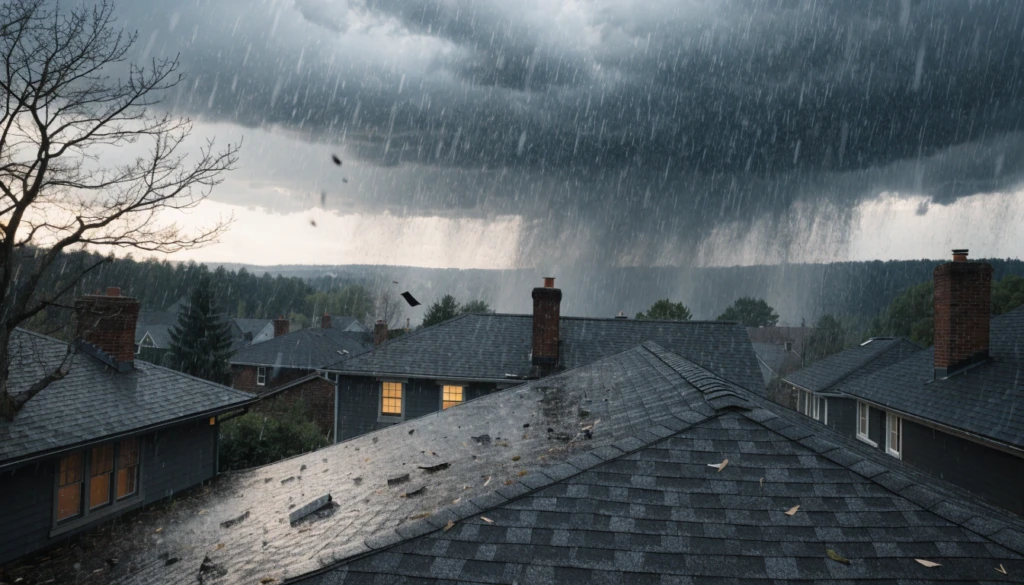
The first hard frost of the season is a milestone most people notice on their windshield — but it also marks a real shift in what your home’s exterior is dealing with. Here’s what that first freeze actually does to roofing, siding, and other materials around your home.
Why the First Frost Is Different From Later Ones
Materials that spent all fall handling moderate temperature swings suddenly face a hard freeze for the first time all season. Any trapped moisture in caulking, seams, or small cracks freezes and expands right as materials are least prepared for it.
What Happens to Caulk and Sealant
Caulk that was still curing or slightly soft from warmer days can crack or lose adhesion once it freezes solid for the first time. This is often when small gaps around windows, doors, and siding joints first start letting in air.
The first hard frost isn’t just a seasonal marker, it’s the moment your home’s exterior materials get tested for the first time all year. A quick check right after it happens can catch problems while they’re still small.